
Maine Coon Cats: Personality, Care, Size, and What to Know Before Adopting
The Maine Coon is one of the most recognizable cat breeds in the United States. Known for its impressive size, long coat, tufted ears, and gentle personality, this breed has become a favorite among many cat lovers. But owning a Maine Coon is about much more than having a beautiful pet. These cats have specific grooming, nutrition, exercise, and social needs that potential owners should understand before bringing one home.
Whether you are considering adopting a Maine Coon kitten or simply want to learn more about this fascinating breed, this guide will help you understand what makes these cats special and what daily life with one can look like.
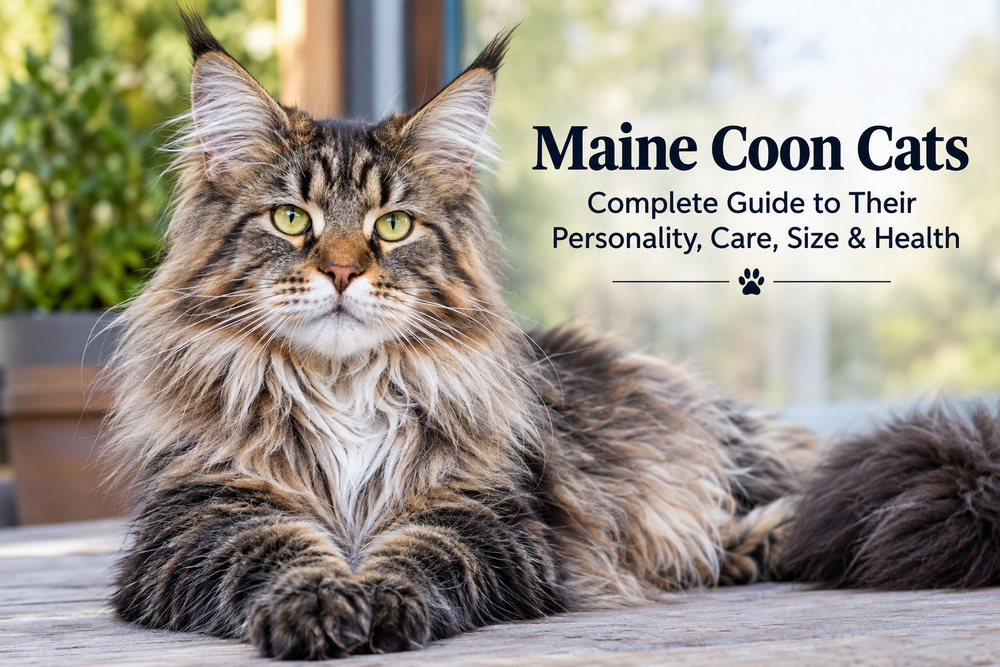
What Is a Maine Coon Cat?
The Maine Coon is a naturally developed American cat breed associated with the state of Maine. It is particularly famous for its large body, long flowing coat, bushy tail, and distinctive facial features.
One of the most interesting characteristics of the breed is its slow physical development. Maine Coon cats can take several years to reach their full size, which means a young cat may continue growing long after other domestic cats have reached adulthood.
Their large appearance can sometimes make them look intimidating, but their temperament is usually quite different. Maine Coons are widely known for being social, affectionate, and relatively easygoing.
Maine Coon Personality and Temperament
A major reason people love Maine Coon cats is their personality. They are often described as friendly, intelligent, and curious.
Many Maine Coons enjoy being around their human family without necessarily demanding constant attention. They may follow their owners from room to room, sit nearby while people work, or quietly observe what is happening around the house.
This breed is also known for its playful nature. Even when fully grown, a Maine Coon may enjoy interactive toys, climbing structures, puzzle feeders, and games that allow it to use its natural hunting instincts.
Their social nature can make them a good choice for households looking for a companionable cat. However, every cat is an individual, and personality can vary depending on genetics, early socialization, environment, and experiences.
How Big Do Maine Coon Cats Get?
Size is one of the most famous features of the Maine Coon.
Adult Maine Coons can be considerably larger than the average domestic cat, with males generally becoming larger than females. Their long bodies, substantial bone structure, and exceptionally fluffy tails contribute to their impressive appearance.
However, size should not be the only factor when choosing a cat. A larger cat also means you may need larger litter boxes, sturdy scratching posts, appropriately sized carriers, and comfortable sleeping areas.
If you are preparing your home for a Maine Coon, planning for its adult size from the beginning can make everyday life much easier.
Maine Coon Grooming Needs
The Maine Coon’s long coat is beautiful, but it requires regular maintenance.
Brushing several times a week can help remove loose hair and reduce the formation of mats and tangles. Some cats may need more frequent grooming depending on their coat texture and lifestyle.
Regular grooming is also an excellent opportunity to check your cat’s skin, ears, paws, and overall condition. Starting grooming routines while a Maine Coon is young can help the cat become comfortable with being handled.
Owners should also pay attention to nail care and dental hygiene. If you are unsure how to safely perform these tasks, a veterinarian or professional groomer can provide guidance.
Feeding a Maine Coon
Because Maine Coons are large and active cats, nutrition is an important part of responsible ownership.
A high-quality, complete and balanced cat food appropriate for the cat’s age and lifestyle should form the foundation of its diet. Kittens, adults, and senior cats can have different nutritional requirements.
Portion sizes should not be based simply on the cat’s size. Overfeeding can contribute to excessive weight gain, which may place additional stress on the joints and affect overall health.
Fresh drinking water should always be available. Some cats prefer moving water, so a properly maintained pet water fountain may encourage them to drink more.
Exercise and Enrichment
Despite their large size, Maine Coon cats benefit from regular physical and mental stimulation.
Interactive play can help keep them active and provide an outlet for their natural instincts. Wand toys, climbing trees, scratching posts, tunnels, and food puzzles can all provide useful enrichment.
A stimulating home environment can also reduce boredom. Rotating toys regularly is a simple way to keep familiar objects interesting.
Indoor living can provide important safety benefits, particularly in areas with traffic, predators, or other outdoor hazards. If you want to give an indoor Maine Coon outdoor experiences, secure options such as a catio or supervised harness training may be worth considering.
Maine Coon Health
Like all cats, Maine Coons can experience health problems. Responsible ownership includes regular veterinary examinations, appropriate vaccinations, parasite prevention, dental care, and monitoring for changes in behavior or appetite.
Some health conditions have been associated with Maine Coons, which is one reason prospective owners should choose responsible breeders when purchasing a kitten and ask about appropriate health screening.
If you notice persistent changes in eating, drinking, litter box habits, activity, breathing, or behavior, contacting a veterinarian is the safest approach.
Are Maine Coon Cats Good Family Pets?
For many households, the answer can be yes. Their generally social and gentle nature can make them enjoyable companions.
However, families should remember that cats need respect and personal space. Children should be taught how to i